
What Actually Separates a Quality Phone Case Vending Machine Manufacturer From a Cut-Rate One
Honestly, the difference isn’t always obvious at first glance — and that’s exactly what makes this decision so easy to get wrong.
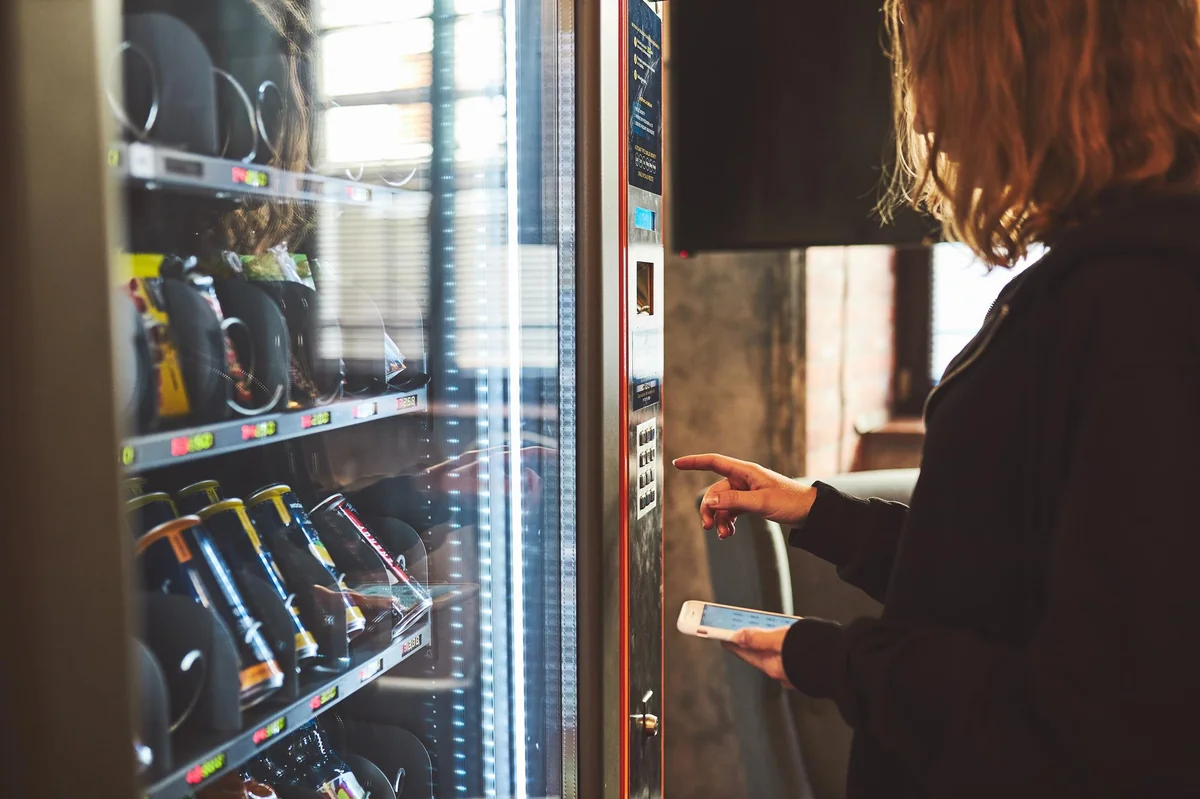
Most manufacturers will show you the same glossy renders, quote you a reasonable MOQ, and promise the world. But spend five minutes digging into how a machine actually handles a print job under real conditions — smudging, alignment drift, substrate curl — and you’ll start to see who actually knows what they’re doing versus who just assembled someone else’s components and slapped a logo on the chassis.
So what actually matters? A few things cut through the noise fast.
- Proprietary R&D vs. white-labeling: A real phone case vending machine manufacturer owns its technology. Companies like Caiyunjuan hold over 70 patents — that’s not a marketing number, that’s engineering infrastructure you can verify.
- Certifications that mean something: CE, CB, KC, FDA compliance. These aren’t optional extras. If a manufacturer can’t show international certification, you’re taking on liability they didn’t bother to manage.
- Sealing and finishing quality: Machines that use a proper automatic sealing machine mechanism produce cases that don’t peel at the edges after two weeks. Cut-rate builds skip this step or use inconsistent heat settings.
- After-sales reality: A 1-year warranty looks great on paper. The real question is what happens at 11 months when something breaks in a mall in Houston. 24/7 technical support isn’t standard across the industry — it should be, but it isn’t.
- Platform depth: The best manufacturers don’t just build one machine. If a factory engineers a fully automatic cotton candy vending machine with the same precision architecture as their phone case units, that’s a signal they’re building systems, not one-offs.
The homepage at www.caiyunjuan.com is a decent reference point for what a serious manufacturer’s product range actually looks like — not because of the marketing copy, but because the breadth of the catalog tells you something about the engineering culture behind it.
Shallow product lines. Vague certifications. No real R&D history. Those are the tells. And once you know what to look for, the cut-rate options become pretty obvious pretty fast.
How Caiyunjuan Stacks Up Against Other Phone Case Vending Machine Manufacturers
Honestly, most comparison articles in this space are useless — they stack up logos and bullet points without telling you anything real about which phone case vending machine manufacturer is actually worth your money. So let’s do this differently.
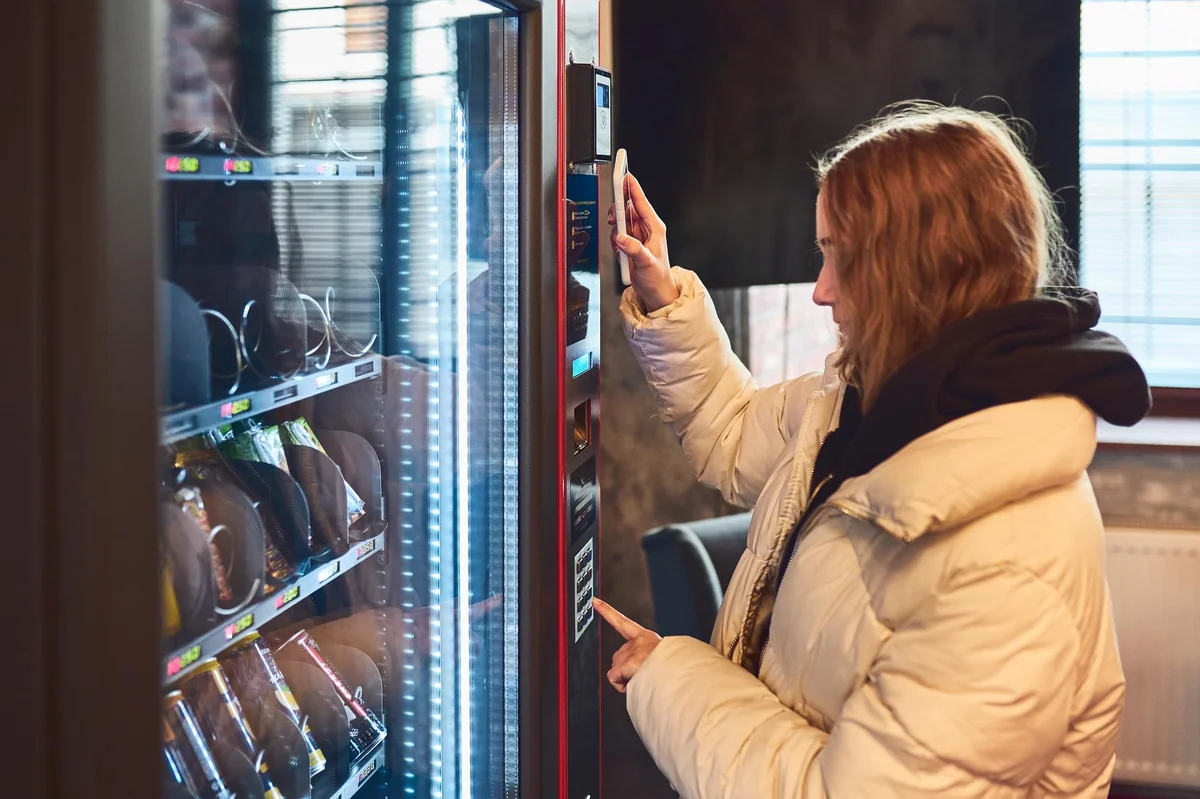
Here’s a practical breakdown of how Caiyunjuan compares against the broader field of manufacturers you’re likely to encounter when you start researching this category seriously.
| Factor | Caiyunjuan | Typical Mid-Tier Factory | Low-Cost Generic Supplier |
|---|---|---|---|
| R&D Experience | 9+ years, 70+ patents | 3–5 years, limited IP | Assembles third-party parts |
| Certifications | CE, CB, KC, FDA, ISO | CE only (sometimes) | Unverified or none |
| Print turnaround | 2–4 minutes per case | 4–8 minutes | Often inconsistent |
| Product range depth | Phone cases, fully automatic cotton candy vending machine, pizza, ice cream, and more | 1–2 machine types | Single SKU focus |
| After-sales support | 24/7, 60+ person team | Business hours only | Email-only, slow response |
| OEM/ODM options | Full customization | Limited branding only | None |
And the certification gap is where a lot of buyers get burned. CE alone doesn’t get you into the US or Korean markets without additional compliance — KC certification matters if you’re placing units in Seoul or Busan, and FDA compliance matters the moment your machine touches anything food-adjacent. Not every phone case vending machine manufacturer thinks that far ahead. Caiyunjuan does, partly because their factory at www.caiyunjuan.com is already shipping to Germany, Saudi Arabia, and the Philippines simultaneously.
There’s also a subtler signal worth mentioning. A manufacturer that engineers something as mechanically demanding as an automatic sealing machine — where tolerances are tight and failure rates need to be near-zero — is operating at a different level than a factory that only does one thing. That cross-category precision tends to show up in the phone case units too. Better film adhesion. Fewer jams. More consistent output quality.
Low-cost options exist. Plenty of them. But the wp content you find buried in generic supplier directories rarely tells you what happens six months after delivery when a motor fails mid-shift. That’s the real comparison — not specs on a page, but what you’re actually buying into.
The Certifications and Build Standards That Actually Matter When Comparing Manufacturers
Certifications are where a lot of buyers tune out — and that’s exactly the wrong move. Because a CE mark or an FDA compliance stamp isn’t just bureaucratic box-ticking. It tells you whether a manufacturer has actually submitted their equipment to third-party scrutiny, or whether they’re just printing credentials on a spec sheet and hoping nobody checks.

So here’s the practical breakdown of what actually matters when you’re vetting a phone case vending machine manufacturer. ISO certification covers the production process itself — quality controls, documentation, traceability. CE is your entry ticket into Europe (required, not optional). CB certification opens doors across dozens of countries through a single mutual-recognition framework. KC is South Korea’s safety standard. FDA compliance matters the moment your machine touches anything near food — and yes, some vending deployments sit in cafeterias, food courts, and hospital lobbies where that distinction is real.
A manufacturer shipping to Germany without CE certification is shipping illegally. Full stop.
Caiyunjuan holds all of the above — CE, CB, KC, and FDA — which is genuinely not the norm at the mid-tier factory level. Most manufacturers pick two, maybe three, and call it a day. The FDA piece is interesting specifically because Caiyunjuan also engineers food-adjacent machines like the fully automatic cotton candy vending machine, which means their quality standards have to hold across very different product categories. That cross-compliance discipline tends to bleed into the phone case units in ways that aren’t obvious from the outside (tighter tolerances, better component sourcing, fewer field failures).
Build standards are a separate conversation from certifications. Look for things like: what gauge steel is used in the chassis, whether the touch panel is rated for continuous commercial use, and how the printing mechanism handles humidity variation — because a mall in Singapore and a mall in Arizona are wildly different environments.
- CE — mandatory for EU markets
- CB — mutual recognition across 50+ countries
- KC — required for South Korea
- FDA — relevant for food-adjacent or mixed-use deployments
- ISO — validates the manufacturing process, not just the end product
And honestly, the easiest way to verify any of this is to go directly to the source — the manufacturer’s official site, their documentation uploads, their listed certifications. What you find buried in third-party directories rarely matches what’s actually on file. A manufacturer like Caiyunjuan publishes this information at www.caiyunjuan.com rather than making you chase it down through a sales rep.
What to Look for Before You Commit to a Phone Case Vending Machine Supplier
Certifications get you to the shortlist. What actually separates a reliable phone case vending machine manufacturer from a headache you’ll regret? That’s a different conversation entirely.
Start with customization depth — and be specific about what you need before you ask. A manufacturer that only ships standard templates is going to frustrate you fast, especially if your venue has branding requirements or you want the UI localized for a specific market. Ask whether OEM and ODM options are genuinely available, or just listed on the site to look good. There’s a difference between a factory that has done it 200 times and one that’s offering it for the first time to close your deal.
Not ideal. Not a dealbreaker either — but worth probing.
Look at the actual product range while you’re at it. A manufacturer that only produces one machine type is a narrower bet than one running parallel lines — a fully automatic cotton candy vending machine on one floor, a phone case kiosk on another. That kind of portfolio breadth usually signals real engineering infrastructure, not just contract assembly. Caiyunjuan, for example, runs automated food and retail machines side by side out of the same 6,000+ square meter facility, which tells you something about operational scale (and whether they’ll still be around to honor your warranty in year two).
So when you’re evaluating suppliers, run through this checklist before committing:
- Do they manufacture in-house, or are they reselling from another factory?
- Can they provide documentation — not just claim it — for certifications like CE, CB, or ISO?
- Is after-sales support 24/7, or business-hours-only in a time zone that doesn’t match yours?
- What does the warranty actually cover, and for how long?
- Do they have verified deployments in your target market?
And check where their public content lives. A manufacturer serious about transparency — whether it’s spec sheets, wp content uploads, or technical documentation — makes that information findable without a sales call. Browsing www.caiyunjuan.com, for instance, surfaces product specs and certifications directly rather than funneling everything through a rep. Small thing. Tells you a lot.
One more thing worth flagging: ask about sealing and packaging quality for shipped units. An automatic sealing machine used in final QC packaging isn’t glamorous, but it’s the kind of operational detail that separates manufacturers who think about the full delivery chain from ones who don’t.
Conclusion
The right phone case vending machine manufacturer is out there — but “right” means documented certifications, real deployments, and support that doesn’t disappear after the invoice clears.
Don’t let a slick product catalog do the convincing for you. Push for specifics: which markets have they actually shipped to, what does the warranty cover in writing, and can you access technical documentation without going through a sales rep first? Those friction points tell you more than any brochure ever will.
Do that homework upfront, and the rest gets a lot easier.
Frequently Asked Questions
Q: What should I look for when choosing a phone case vending machine manufacturer?
A: Certifications matter more than the product photos — look for CE, FDA, and ISO compliance as a baseline, not a bonus. Beyond that, push for a list of actual deployed markets and ask to see technical documentation before you sign anything. A manufacturer who hesitates on either of those is waving a red flag.
Q: How much does a phone case vending machine cost from a manufacturer?
A: Pricing varies wildly depending on customization level, print technology, and whether the unit includes branding or software integration — but expect to land somewhere between $8,000 and $20,000+ for a commercial-grade machine from a reputable phone case vending machine manufacturer. Cheaper quotes usually mean stripped-down specs or zero after-sales support, which costs you more in the long run.
Q: How long does it take to get a phone case vending machine manufactured and shipped?
A: Standard lead times from a Chinese phone case vending machine manufacturer typically run 30–60 days for production, plus another 2–5 weeks for sea freight depending on your destination. If a manufacturer is quoting you two weeks flat, ask exactly what’s getting skipped.
Q: Can I get a custom-branded phone case vending machine?
A: Most established manufacturers offer OEM and ODM options — that covers everything from the exterior wrap and screen UI to the internal software interface. Caiyunjuan, for example, runs a dedicated OEM/ODM program specifically for operators who want their own brand identity on the unit rather than the factory’s. Just get the customization specs confirmed in writing before production starts.
Q: Why do print times vary so much between different machines?
A: It comes down to the print head technology and the curing method used — UV-cured printing is faster and more durable than some older thermal processes. The better phone case vending machine manufacturers will spec out print times clearly (look for 2–4 minutes per case as a reasonable benchmark). Anything vague like “fast printing” in the brochure without a number attached is worth questioning.
Q: Is a phone case vending machine worth the investment for a small business?
A: High-traffic locations — malls, airports, university campuses — tend to see strong ROI because the product margin on custom-printed cases is genuinely high and the unit runs unattended. The risk isn’t the machine itself; it’s placement. A poorly located unit will underperform regardless of how good the manufacturer is.
Q: How do I verify that a phone case vending machine manufacturer is legitimate?
A: Ask for verifiable export records and real deployment references — not just logos on a website. A credible phone case vending machine manufacturer should be able to point you to machines running in actual commercial spaces across multiple countries. If the only “proof” they offer is a polished catalog and a WhatsApp number, keep looking.
Q: What kind of after-sales support should I expect from a manufacturer?
A: At minimum, you want a written warranty (12 months is standard), access to remote diagnostics, and a support team that operates across time zones — not just during Beijing business hours. The best phone case vending machine manufacturers build 24/7 technical support into the deal, because a machine that’s down during peak weekend hours is dead revenue, full stop.